Crispy Pork Belly Sisig
The Filipino bar food legend — sizzling chopped pork belly with crispy edges, tangy calamansi, spicy chilies, and a runny egg stirred into the hot plate until everything becomes a rich, creamy, smoky mess you cannot stop eating. Sisig is the dish that put Filipino cuisine on the global map, and one bite explains why.
Equipment

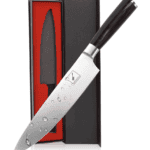


Ingredients
Crispy Pork Belly
- 2 lb skin-on pork belly cut into 1-inch thick slabs
- 4 cup water for boiling
- 1 tbsp whole black peppercorns
- 3 piece bay leaves
- 1 tbsp kosher salt for boiling water
- 2 tbsp neutral oil for pan-frying
Sisig Sauce
- 3 tbsp soy sauce
- 2 tbsp calamansi juice or 1 tbsp lime juice plus 1 tbsp orange juice
- 1 tbsp rice vinegar
- 1 tbsp oyster sauce
- 1 tsp brown sugar
Aromatics
- 1 piece medium white onion finely diced
- 4 piece garlic cloves minced
- 2 piece Thai chilies minced, or 1 jalapeño, seeds removed for less heat
- 1 tbsp unsalted butter
- 1 tbsp Kewpie mayonnaise the secret creamy element
Finishing
- 4 piece large eggs
- calamansi or lime wedges for squeezing
- sliced scallions
- sliced Thai chilies optional
- steamed white rice for serving
Instructions
- Boil the pork belly: Place the pork belly slabs in a large pot with water, peppercorns, bay leaves, and salt. Bring to a boil, then reduce to a steady simmer. Cook for 25-30 minutes until the pork is tender when pierced with a knife but not falling apart. You are par-cooking here — the crispy step comes next.
- Remove the pork belly from the liquid and let it cool for 10 minutes on a cutting board. Pat completely dry with paper towels — every bit of surface moisture you remove means crispier results. Chop the pork belly into small, roughly 1/2-inch pieces. Include the skin and fat — that is where the texture magic happens.
- Mix the sisig sauce: Whisk together soy sauce, calamansi juice, rice vinegar, oyster sauce, and brown sugar in a small bowl. Set aside.
- Crisp the pork: Heat neutral oil in a large cast iron skillet over high heat until smoking. Add the chopped pork belly pieces in a single layer — do not stir. Let them sear undisturbed for 4-5 minutes until the bottoms are deeply golden and crispy. Toss and cook for another 3-4 minutes until the pieces are crispy on multiple sides and the fat has rendered. Some pieces will be shatteringly crunchy and some will be tender — that contrast is the whole point.
- Build the sisig: Push the pork to one side of the skillet. Add butter to the cleared space and let it melt. Add the diced onion and cook for 2 minutes until softened. Add the minced garlic and Thai chilies and cook for 30 seconds until fragrant. Toss everything together with the pork.
- Pour the sisig sauce over the pork mixture and toss to coat. Cook for 60-90 seconds, stirring constantly, until the sauce reduces and glazes the pork. The skillet should be sizzling aggressively. Remove from heat and stir in the Kewpie mayonnaise — it melts into the hot pork and creates a creamy, tangy coating that binds everything together.
- Serve sizzling: Crack a raw egg directly on top of the sisig while it is still screaming hot in the cast iron. The residual heat will partially cook the egg. Bring the skillet straight to the table and let each person stir the egg into the hot pork — it creates a rich, custard-like sauce that coats every piece. Finish with sliced scallions, extra chilies, and a squeeze of fresh calamansi. Serve with steamed white rice on the side.
Notes
Sisig is widely considered the national dish of Filipino bar food. It originated in Pampanga province in the Philippines and was traditionally made with pig face and ears. This version uses pork belly for accessibility while keeping the essential character — crispy, tangy, spicy, and creamy.
Calamansi is a small Filipino citrus that tastes like a cross between lime and mandarin orange. Find it frozen at any Filipino or Asian grocery store. If unavailable, mix equal parts fresh lime juice and orange juice for the closest substitute.
The Kewpie mayo is not traditional in all sisig recipes but has become a modern addition that many Filipino cooks swear by. It adds a tangy creaminess that bridges the crispy pork and the acidic sauce. Japanese Kewpie is richer and tangier than American mayo — do not substitute with regular mayonnaise.
The sizzling plate tradition: In the Philippines, sisig is served on a cast iron sizzle plate brought to the table still popping and hissing. A cast iron skillet replicates this perfectly. The drama of the sizzle and the egg cracked tableside is half the experience.
Pair it with: Ice-cold San Miguel beer, a Filipino lager, or any crisp pilsner. The cold beer against the hot, spicy, fatty sisig is one of the greatest food and drink pairings in existence.
Leftover move: Sisig fried rice — toss leftover sisig into a hot wok with day-old rice, a splash of soy sauce, and a fried egg on top. One of the best breakfasts known to humankind.
ALLERGEN INFORMATION: Contains soy (soy sauce, oyster sauce), eggs, and dairy (butter). May contain shellfish (check oyster sauce label). Naturally gluten-free — verify soy sauce is gluten-free or use tamari. Always check ingredient labels if you have food allergies.
Nutrition
Serving: 1gCalories: 580kcalCarbohydrates: 22gProtein: 28gFat: 44gSaturated Fat: 16gCholesterol: 265mgSodium: 860mgFiber: 1gSugar: 4g
Tried this recipe?Let us know how it was!