A former restaurant owner shares the professional habits that separate good home cooking from great home cooking and none of them require expensive equipment.
Disclosure: This post contains affiliate links. If you make a purchase through these links, I may earn a small commission at no extra cost to you. I only recommend products I’ve personally used or would trust in a professional kitchen.
After years of running a restaurant, I can tell you that the difference between a professional kitchen and a home kitchen isn’t the commercial-grade equipment or the fancy ingredients. It’s the habits. The systems. The small, repeatable decisions that professional cooks make without even thinking about them.
Most home cooks focus on finding better recipes. But the truth is, you could hand a professional cook and a home cook the exact same recipe, the exact same ingredients, and the exact same kitchen and the professional’s version would still come out better. That’s because restaurant kitchens operate on a set of principles that most home cooks have never been taught.
Here are the ones that matter most — and how you can start using them tonight.
1. Everything Starts with Mise en Place
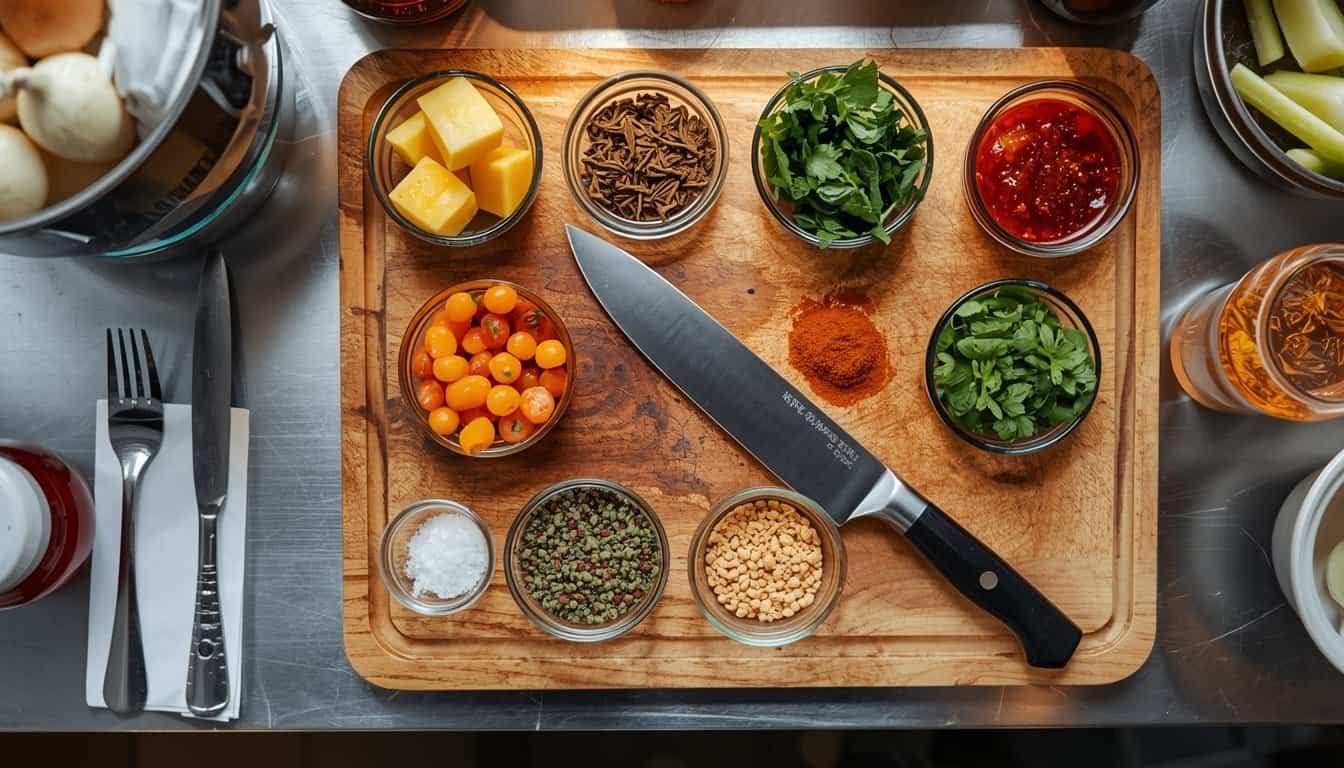
In French, mise en place means “everything in its place.” In a restaurant, nothing gets cooked until every single ingredient is prepped, measured, and within arm’s reach. This isn’t about being neat, it’s about speed, accuracy, and eliminating mistakes.
At home, most people start cooking and then scramble to chop an onion or measure out a spice while something is already burning on the stove. That one habit is responsible for more ruined meals than bad recipes ever will be.
How to adopt this: Before you turn on a single burner, read your entire recipe. Pull out every ingredient. Chop, measure, and organize everything into small bowls or containers. It might feel like extra work upfront, but it actually saves time and dramatically improves your results.
2. Heat Management Is Everything
Home cooks tend to default to medium heat for everything. In a restaurant, we’re constantly adjusting, cranking the heat for a hard sear, dropping it low for a gentle simmer, letting a pan get screaming hot before anything touches it.
One of the most common mistakes I see is putting protein into a pan that isn’t hot enough. The result? No sear, no color, no flavor development. You get steamed chicken instead of seared chicken, and the difference is night and day.
How to adopt this: Let your pan heat up for 2-3 minutes before adding oil. When you add the oil, wait until it shimmers. For searing meat, the pan should be hot enough that you hear an aggressive sizzle the moment the protein hits the surface. If it doesn’t sizzle, it’s not ready.
3. Season in Layers, Not All at Once
In a restaurant, seasoning happens at every stage of cooking, not just at the end. We salt the water before the pasta goes in. We season the protein before it hits the pan. We adjust the sauce while it reduces. We taste and correct right before plating.
Home cooks often season once and hope for the best. The result is food that tastes flat or one-dimensional, no matter how much salt they add at the table.
How to adopt this: Get in the habit of tasting as you go and seasoning at each stage. A pinch of salt early in cooking does more than a tablespoon at the end. And don’t forget acid, a squeeze of lemon or a splash of vinegar at the end can transform a dish from good to restaurant-quality.
4. Clean as You Go
Walk into any well run restaurant kitchen and you’ll notice something: the stations are clean. Not because someone comes through and tidies up, because the cooks are cleaning constantly, in real time, as they work.
In a home kitchen, dishes pile up, cutting boards get cluttered, and by the time the meal is ready, the kitchen looks like a disaster zone. That chaos doesn’t just create a mess, it slows you down, causes mistakes, and makes cooking feel like a chore instead of something enjoyable.
How to adopt this: Keep a bus tub or large bowl on your counter for scraps. Wash or rinse items the moment you’re done with them. Wipe down your cutting board between tasks. The goal is to always have a clean workspace available for the next step. This one habit alone will make cooking feel less stressful and more enjoyable.
5. Taste Everything, Constantly
This might be the single biggest difference between professional and home cooks. In a restaurant, tasting is non-negotiable. Every component gets tasted before it leaves the kitchen. Every sauce, every seasoning adjustment, every finished plate.
At home, people follow the recipe measurements exactly and never check whether the food actually tastes good along the way. Recipes are guidelines, not gospel. Your tomatoes might be more acidic than the recipe writer’s. Your salt might be a different brand with a different density. The only way to know if your food is properly seasoned is to taste it.
How to adopt this: Keep a few small spoons next to your stove. Taste your food at every stage. After sautéing aromatics, after adding liquid, after the sauce reduces, and right before plating. Ask yourself: does it need more salt? More acid? More heat? Train your palate by paying attention, and your cooking will improve faster than any recipe collection could.
6. Sharp Knives Are Non-Negotiable
Every professional kitchen keeps its knives razor sharp. Not because chefs are particular, because a dull knife is slower, less precise, and actually more dangerous. When a knife is dull, you apply more force, which means less control and a higher chance of slipping.
Most home kitchens have knives that haven’t been sharpened in months or even years. You don’t need an expensive knife, a chef’s knife that’s properly maintained will outperform a $200 knife that’s been neglected.
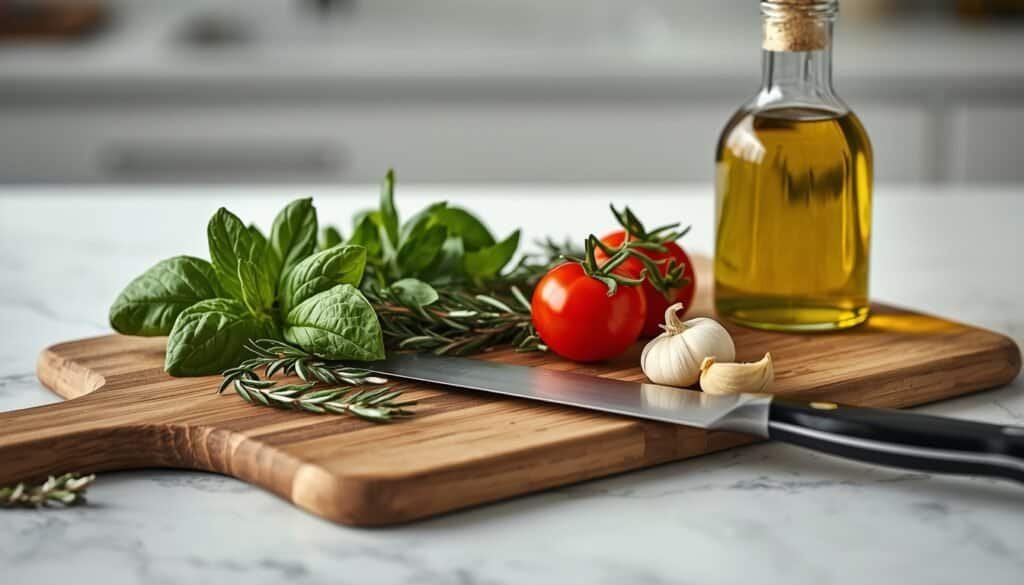
How to adopt this: Invest in a basic whetstone or knife sharpener and learn to use it. Hone your knife with a steel rod every time you cook. A sharp knife should glide through a tomato with almost no pressure. If you’re sawing back and forth, your knife needs attention.
The Bottom Line
You don’t need a commercial kitchen to cook like a professional. You need professional habits. Mise en place, heat management, layered seasoning, constant cleaning, obsessive tasting, and sharp knives. These are the foundations that every great restaurant kitchen is built on.
Start with one or two of these habits this week. Once they feel natural, add another. Within a month, you’ll notice a real difference in your cooking and you won’t want to go back.
These are the same principles I relied on every day running my restaurant. They work at scale and they work at home. The recipes matter, but the habits matter more.
Ready to put these habits into practice? Browse our recipes designed for real home kitchens. From quick weeknight meals to restaurant-quality classics.
2 responses to “What Restaurant Kitchens Get Right That Home Cooks Miss”
[…] Read – What Restaurant Kitchens Get Right That Home Cooks Miss […]
[…] Read Article → What Restaurant Kitchens Get Right That Home Cooks Miss […]